Introduction
Success in cinema is rarely built on talent alone. While creativity, technical expertise, and storytelling remain the foundation of filmmaking, meaningful professional relationships often determine which ideas move from script to screen. Whether you are an aspiring filmmaker, producer, actor, cinematographer, editor, investor, or technology provider, film networking India has become one of the most valuable career-building strategies in today’s competitive entertainment landscape.
Introduction
India produces thousands of films every year across multiple languages, serving audiences through theatrical releases, television, OTT platforms, and international markets. As the industry continues to expand, opportunities are growing not only for creative professionals but also for production companies, equipment manufacturers, post-production studios, distributors, marketing agencies, investors, and technology providers. However, these opportunities are often discovered through trusted industry connections rather than public advertisements.
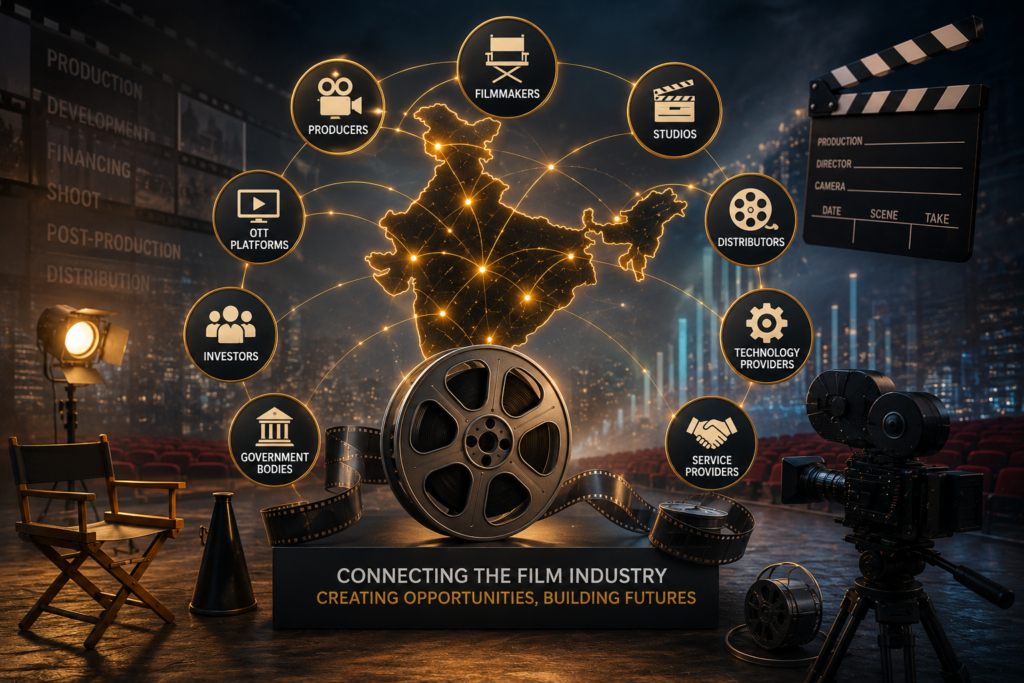
Networking is no longer limited to exchanging business cards at film festivals. Today’s professionals collaborate through industry conferences, business exhibitions, production markets, co-production forums, investment summits, workshops, online communities, and specialized networking events. These platforms enable participants to discover new business partnerships, secure funding, identify talent, adopt emerging technologies, and expand into domestic and international markets. Among these industry platforms, Film Expo India 2026 stands out as India’s premier business expo for the film, media, and entertainment industry, bringing together filmmakers, producers, studios, OTT platforms, investors, distributors, technology providers, and service providers under one roof to encourage collaboration, business networking, innovation, and strategic partnerships.
As the Indian entertainment industry continues to evolve, events like Film Expo India 2026 play an increasingly important role in connecting stakeholders, showcasing emerging technologies, facilitating business growth, and creating opportunities that shape the future of filmmaking and media.
This comprehensive guide explains how networking works within the Indian film industry, why it has become essential for long-term success, and the practical strategies professionals can use to build lasting relationships that create genuine business opportunities.
Why Networking Matters in the Indian Film Industry
Every successful film represents the combined efforts of hundreds of professionals working toward a shared vision. From concept development to global distribution, every stage depends on collaboration between specialists with different skills and expertise.
Networking allows professionals to connect with individuals who can contribute to these stages, creating mutually beneficial partnerships that accelerate projects and careers.
Networking helps professionals:
- Find production partners
- Meet investors and financiers
- Discover distribution opportunities
- Connect with OTT platforms
- Build long-term business relationships
- Identify skilled technicians
- Access government incentives
- Learn emerging technologies
- Enter international markets
- Stay updated on industry trends
Unlike many industries where recruitment follows formal processes, filmmaking often relies on trusted recommendations and previous collaborations. Strong professional relationships significantly improve credibility and increase opportunities for future projects.
How the Indian Film Industry Operates
Producers
Producers transform creative ideas into commercially viable projects by managing financing, hiring teams, overseeing production schedules, and coordinating distribution strategies.
Directors
Directors lead the creative execution of films while collaborating with writers, actors, cinematographers, editors, and production designers.
Production Houses
Production companies manage planning, logistics, staffing, budgeting, legal compliance, scheduling, and project execution.
Studios
Studios provide filming infrastructure, sound stages, production facilities, equipment, and technical support.
OTT Platforms
Streaming services continue reshaping content consumption by creating demand for original films, documentaries, web series, and regional productions.
Distributors
Distribution companies ensure films reach cinemas, broadcasters, streaming platforms, airlines, educational institutions, and international audiences.
Film Investors
Private investors, venture capital firms, media companies, and institutional partners finance projects based on commercial potential and strategic objectives.
Technology Providers
Technology companies support filmmakers through innovations such as:
- AI-powered editing
- Virtual production
- Cloud collaboration
- Motion capture
- Digital asset management
- Camera systems
- Sound technology
- Animation software
- VFX solutions
Every stakeholder benefits from networking because successful projects depend on collaboration across multiple disciplines.
Benefits of Film Industry Networking
1. Access to New Business Opportunities
Networking exposes professionals to projects that are rarely advertised publicly.
For example:
A cinematographer attending an industry conference may meet an independent producer preparing a regional film. That single introduction could result in a long-term professional relationship spanning multiple productions.
2. Easier Access to Film Financing
Securing funding remains one of filmmaking’s biggest challenges.
Professional networking introduces filmmakers to:
- Angel investors
- Film funds
- Private equity firms
- Government grant programs
- International co-production partners
- Studio executives
- Corporate sponsors
These relationships often begin with conversations long before investment decisions are made.
3. Building Strong Production Teams
Every film requires specialists with complementary expertise.
Networking enables professionals to identify reliable collaborators, including:
- Writers
- Editors
- Production designers
- Costume designers
- VFX supervisors
- Cinematographers
- Sound engineers
- Music composers
- Marketing agencies
- Distribution consultants
Repeated collaboration with trusted professionals increases efficiency, improves communication, and strengthens project outcomes.
4. Learning Industry Trends
The entertainment industry evolves rapidly due to advances in technology, changing audience preferences, and new business models.
Networking helps professionals stay informed about developments such as:
- Artificial Intelligence in filmmaking
- Virtual production
- Cloud-based editing workflows
- LED volume technology
- Real-time rendering
- Immersive audio
- Regional content expansion
- International co-productions
- Data-driven content strategy
- Streaming platform analytics
Professionals who continuously engage with industry peers are often better prepared to adapt to these changes.
Where Can You Build Film Industry Connections in India?
Many newcomers believe networking happens only on film sets. In reality, valuable professional relationships are built across a wide range of environments.
Film Festivals
Film festivals bring together filmmakers, producers, distributors, critics, investors, and media professionals. Beyond screenings, they offer panel discussions, networking sessions, and business meetings where collaborations often begin.
Film Markets and Business Events
Dedicated film markets focus on the commercial side of cinema. They provide opportunities to pitch projects, explore co-productions, negotiate distribution deals, and connect with buyers from domestic and international markets.
Industry Conferences
Conferences offer direct access to experienced professionals through keynote sessions, panel discussions, workshops, and networking lounges. These events help attendees gain insights into emerging technologies, audience trends, financing models, and content strategies while expanding their professional network.
Networking Through Professional Associations
Industry associations and guilds play a significant role in helping professionals establish credibility and expand their networks. Membership often provides access to workshops, legal guidance, mentorship programs, industry updates, and exclusive networking opportunities.
Professionals who actively participate in association events are more likely to build long-term relationships with peers and experienced industry leaders.
Training Institutes and Film Schools
Film schools are more than educational institutions. They serve as networking hubs where future directors, producers, writers, cinematographers, editors, and actors build relationships that often continue throughout their careers.
Students should take advantage of:
- Alumni networking events
- Guest lectures by industry experts
- Student film collaborations
- Internship opportunities
- Industry workshops
- Film competitions
- Portfolio showcases
The people you study with today may become your collaborators tomorrow.
Common Networking Mistakes to Avoid
Even experienced professionals can undermine valuable opportunities through avoidable mistakes.
1. Focusing Only on Famous People
Many long-term collaborations begin with peers who grow alongside you. Every connection deserves respect, regardless of current experience or recognition.
2. Treating Networking as Selling
Networking is about relationship-building, not immediate transactions. Focus on meaningful conversations instead of pitching at every opportunity.
3. Neglecting Follow-Up
A promising meeting has little value if there is no continued communication. Timely follow-up helps maintain momentum.
4. Ignoring Digital Presence
Professionals often review your online profile before continuing a conversation. Ensure your website, portfolio, and professional profiles are current and reflect your expertise.
5. Expecting Instant Results
Building trust takes time. Strong industry relationships often develop over months or years through consistent engagement.
Emerging Trends in Film Industry Networking
The way professionals connect is evolving alongside the film industry itself.
AI-Powered Matchmaking
Many industry events now use artificial intelligence to recommend relevant meetings based on professional interests, business goals, and expertise.
Virtual Networking Platforms
Hybrid and virtual events allow professionals from around the world to connect without geographic limitations, expanding opportunities for collaboration.
Cross-Border Co-Productions
International partnerships are becoming increasingly common, creating opportunities to access new markets, funding sources, and creative talent.
Growth of Regional Cinema
Regional film industries are attracting greater investment and wider audiences, making multilingual networking more valuable than ever.
Sustainability and Green Filmmaking
Environmental responsibility is becoming a priority for production companies, creating new opportunities for businesses offering sustainable production solutions.
Featured Snippet: How Do You Build a Strong Film Industry Network?
To build a strong film industry network in India:
- Set clear networking goals.
- Create a professional portfolio.
- Attend industry events and film markets.
- Join professional associations.
- Connect with peers and mentors.
- Follow up after every meaningful interaction.
- Stay active in both online and offline communities.
- Focus on long-term relationships instead of immediate gains.
Featured Snippet: Why Is Networking Important in the Film Industry?
Networking is important. Moreover, it helps filmmakers discover new opportunities. In addition, it strengthens professional relationships. As a result, professionals can access collaborations that might not be available otherwise.
Film Industry Networking Checklist
Use this checklist before attending your next industry event:
- Define your networking objectives.
- Update your portfolio and contact details.
- Research attendees and exhibitors.
- Prepare a brief introduction about your work.
- Bring business cards or digital contact options.
- Ask thoughtful questions.
- Listen actively during conversations.
- Record important contacts and notes.
- Send personalized follow-up messages.
- Continue nurturing relationships after the event.
Decision Framework: Choosing the Right Networking Opportunity
| Your Goal | Best Networking Platform |
|---|---|
| Raise funding | Investor summits, film markets, pitching forums |
| Find production partners | Industry conferences, B2B exhibitions |
| Meet OTT executives | Media conferences, content marketplaces |
| Expand internationally | International film markets and co-production forums |
| Learn new technology | Cinema technology exhibitions, workshops |
| Build career contacts | Film festivals, networking events, alumni associations |
| Showcase products or services | Trade exhibitions and business expos |
Conclusion
The Indian film industry continues to evolve through technological innovation, global collaborations, regional content expansion, and rapidly changing audience preferences. In this dynamic environment, networking has become more than a career-building activity. It is a strategic advantage that helps professionals identify opportunities, form meaningful partnerships, access funding, adopt new technologies, and stay informed about industry developments.
Whether you are an emerging filmmaker, an established producer, a studio executive, an equipment manufacturer, a technology provider, an investor, or a film student, investing time in building authentic professional relationships can create long-term value that extends far beyond a single project. The strongest careers are often supported by trusted networks built through continuous learning, collaboration, and active participation in the broader film ecosystem.
One example of a platform that brings these elements together is Film Expo India, a large-scale international film and media industry exhibition and B2B marketplace scheduled from 26–30 August 2026 at Bharat Mandapam, New Delhi. By bringing together filmmakers, producers, production houses, studios, OTT platforms, distributors, investors, exhibitors, technology providers, government film bodies, film commissions, and global entertainment professionals, it reflects the collaborative nature of today’s film business. Through exhibitions, panel discussions, networking sessions, technology showcases, pitching opportunities, and knowledge-sharing initiatives, such platforms help professionals explore new partnerships, discover emerging innovations, strengthen business relationships, and contribute to the continued growth of the Indian and global film industry.